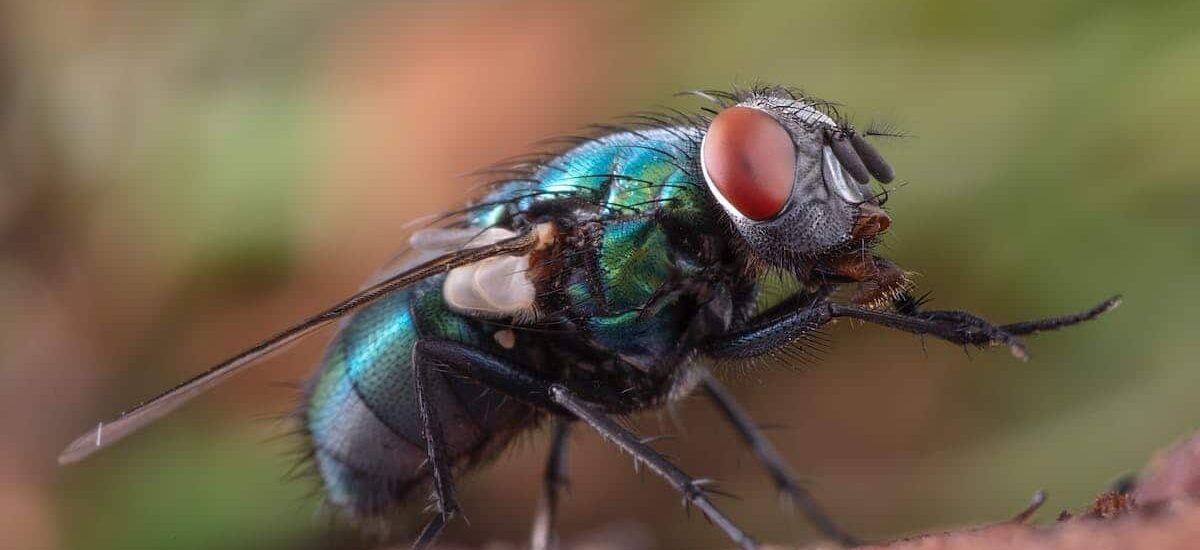
The invasion of flying insects in the domestic space is a universal plague that raises concern and annoyance. Whether it’s mosquitoes, gnats, or flies, these small winged invaders can turn a sweet summer evening into an irritating nightmare. However, there are numerous methods to eradicate them from your home without resorting to harmful chemical insecticides. Adopting certain plants, maintaining your habitat, and using specific objects can help you win this battle. Here are some foolproof tips to eliminate flying insects from your house.
Invasion of flying insects: a growing problem in our homes
The invasion of flying insects in our homes is a problem that can quickly become overwhelming. Among these pests, one stands out for its persistence and tendency to settle in the least desirable places: the ceiling kitchen gnat. Small in size but a great disruptor, this little insect tends to colonize our culinary space by clinging to the ceiling.
Their presence is not only bothersome aesthetically or for the tranquility they disturb with their incessant buzzing. They are also carriers of germs and various bacteria that can contaminate our food and cause digestive issues or even worse.
However, there are several natural solutions to keep these unwanted guests at bay. A clean house will of course be the first barrier against their proliferation: diligent removal of food waste and paying special attention not to leave food lying around will be deterrents for our winged guest.
Among other natural tips are the use of natural repellents such as citronella or lavender, whose strong scents tend to repel these small flying insecticides. Homemade traps can also be made using white vinegar mixed with sweet water to attract and then drown these flying intruders.
If all your attempts remain in vain against the ceiling kitchen gnats, the use of chemical products may then be considered. However, these should be used with caution and by strictly following the provided instructions to avoid any risk of poisoning.
In summary, the fight against the ceiling kitchen gnat is a matter of perseverance that involves effective preventive measures such as: cleanliness of the premises, prompt removal of food waste, and in some extreme cases, the use of products specifically designed to eradicate these flying insecticides.
Presence of flying insects: health risks not to be neglected
The health risks associated with the presence of flying insecticides, such as ceiling kitchen gnats, should not be taken lightly. These small intruders can cause numerous problems for our health.
These insecticides often carry germs and pathogenic bacteria. By landing on our food or depositing their droppings, they can contaminate what we consume daily. This can lead to digestive disorders such as diarrhea, vomiting, and even more serious infections in individuals with weakened immune systems.
The ceiling kitchen gnats are attracted to damp and poorly maintained areas of our kitchens. They reproduce quickly in these environments conducive to their development, thus contributing to the increase in the number of pests present in our habitat. Their larvae can be found in our food reserves or trash cans, thereby increasing the risk of food poisoning.
It should be noted that some people may develop an allergy to the bites of flying insects such as mosquitoes or wasps. Allergic reactions vary from person to person but can lead to potentially fatal anaphylactic shock.
To avoid these health risks associated with the presence of ceiling kitchen gnats in your home, you must take all necessary precautions to effectively and sustainably eliminate these pests. Adopting rigorous hygiene in your kitchen, by regularly cleaning surfaces and avoiding the accumulation of food waste, is the first step.
In addition to these preventive measures, there are also natural solutions to keep these flying insects away. Repellents made from essential oils like citronella or geranium can be effective. You can also opt for non-toxic traps placed strategically in your kitchen to capture the ceiling kitchen gnats without using harmful chemical products.
If despite all your attempts the pests persist, it may be necessary to resort to more powerful treatments. In this case, it is recommended to call in a professional who will use products specifically designed to eradicate these flying insects while respecting health and environmental standards.
The presence of ceiling kitchen gnats in our habitat represents a significant health risk that should not be neglected. By adopting a preventive approach based on hygiene and the use of natural solutions, you can limit their proliferation and thus protect your health as well as that of your family.
Keeping flying insects away: natural solutions to prioritize
When it comes to keeping flying insects away from our habitat, there is a plethora of natural methods at our disposal. In addition to being safe for health and the environment, these solutions are often just as effective as their chemical counterparts.
Let’s start by discussing the power of judicious planting in our gardens. Some plants have the natural ability to repel certain flying insects thanks to their scent or repellent properties. For example, lavender is known for its delicate fragrance that discourages mosquitoes, while peppermint can keep several species of flying insects like gnats or wasps at bay.
Regarding the interior of your home, you can also use certain types of natural products to deter unwanted flying insects. Essential oils such as eucalyptus, lemon, or mint can be diluted in water and sprayed on your surfaces to create a deterrent olfactory barrier for these winged intruders.
Bouquets made of aromatic herbs hung near windows can also have a similar effect.
Beyond planting and fragrant products, we can also exploit certain everyday objects to chase away pests.
For example, did you know that a simple saucer filled with white vinegar can attract and trap many species of gnats and mosquitoes? These flying insects are drawn to the smell of vinegar but are unable to escape once they dive in. You just need to place these traps in strategic locations, away from areas where you want to enjoy a quiet moment without their unpleasant presence.
In addition to white vinegar, you can also use baking soda to eliminate flying ants or a mixture of water and black soap to spray on your plants to repel aphids.
It’s amazing how some natural remedies that we have at our fingertips can prove as effective as the expensive chemical products available on the market.
It should be noted that if you are facing a severe or recurring infestation of flying insects despite all your precautions, it may be wise to call in a professional in pest control who can identify the source of the problem and implement appropriate solutions. Indeed, some cases require targeted and specialized intervention to ensure complete eradication.
Adopting natural methods to keep flying insects away is an integral part of a more environmentally friendly approach while protecting our health. Simple adjustments such as wisely choosing our plants or using familiar ingredients can greatly contribute to limiting their intrusion into our home.
Effectively trapping flying insects: tips that work
When you want to effectively get rid of the flying insects invading your home, you need to know the tips that allow you to trap them successfully. By using simple and inexpensive methods, you will be able to reduce their annoying presence and improve your daily comfort.
A classic yet remarkably effective tip is to use sticky traps. These usually come in the form of sticky strips or suspended ribbons. When the flying insects land on them, they get stuck due to the special glue they are covered with. You simply need to throw away the trap once it is full and install a new one to continue capturing these pests.
Another simple method is to make your own homemade traps using common materials. For example, you can fill a bowl or dish with sweet juice (like syrup), then cover the container with a perforated plastic wrap where the flying insects can enter but will have difficulty escaping. The gnats will be attracted by the enticing smell of the sweet liquid and will end up trapped in this true gnat catcher made by hand.
Chemical repellents: use them cautiously against flying insects
If these natural solutions do not resolve your flying insect problem, it is possible to resort to chemical repellents. However, these products must be used with caution due to their potential impact on the environment and human health.
The most commonly used chemical repellents are anti-mosquito aerosols. They generally contain insecticidal substances such as DEET (N,N-diethyl-meta-toluamide) or picaridin that act by disrupting the olfactory signals of mosquitoes and other flying insects. These products can be sprayed directly on the skin or clothing for optimal protection against bites.
To avoid any risk of poisoning, it is essential to strictly follow the usage instructions provided by the manufacturer. Certain precautions should be taken when applying the product: avoid contact with the eyes, mouth, and any open wounds. After use, remember to wash your hands thoroughly to eliminate any trace of the product.
There are also electric diffusers that emit a kind of repellent smoke to effectively chase away all types of flying insects present in your home. These devices work with refills containing a specific mixture of insecticides such as pyrethrin or permethrin. However, ensure that these devices are secure and placed out of reach of children and pets.
Be careful not to overuse these chemical repellents, as excessive exposure can lead to various symptoms such as headaches, nausea, or skin irritations. If you experience any adverse effects, stop using them immediately and consult a doctor if necessary.
Chemical repellents can be an effective solution for eliminating flying insects in your home. It is crucial to use them moderately and responsibly to minimize any negative impact on human health and the environment. Always prioritize natural solutions first before resorting to these potentially harmful products.
Preventing their return: adopt essential preventive gestures
Once you have successfully eliminated the flying insects from your home, be sure to maintain your garden well. Regularly trim your trees and shrubs to limit the presence of flying insects around your home. You can also plant certain types of repellent plants such as lavender, basil, or mint that tend to naturally repel these pests.
Remember to ventilate your interior regularly. Flying insects tend to be attracted to confined and damp spaces. By opening your windows, you allow for better air circulation, which reduces their presence.
If despite all these preventive measures, you continue to have problems with flying insects in your home, it may be wise to call in a professional. A pest control expert can identify the source of the problem and implement suitable solutions to eliminate these intruders sustainably.
By applying these preventive gestures and remaining vigilant, you can effectively protect your home against flying insects. Don’t hesitate to share these tips with your loved ones so they can also enjoy a healthy and pest-free environment.