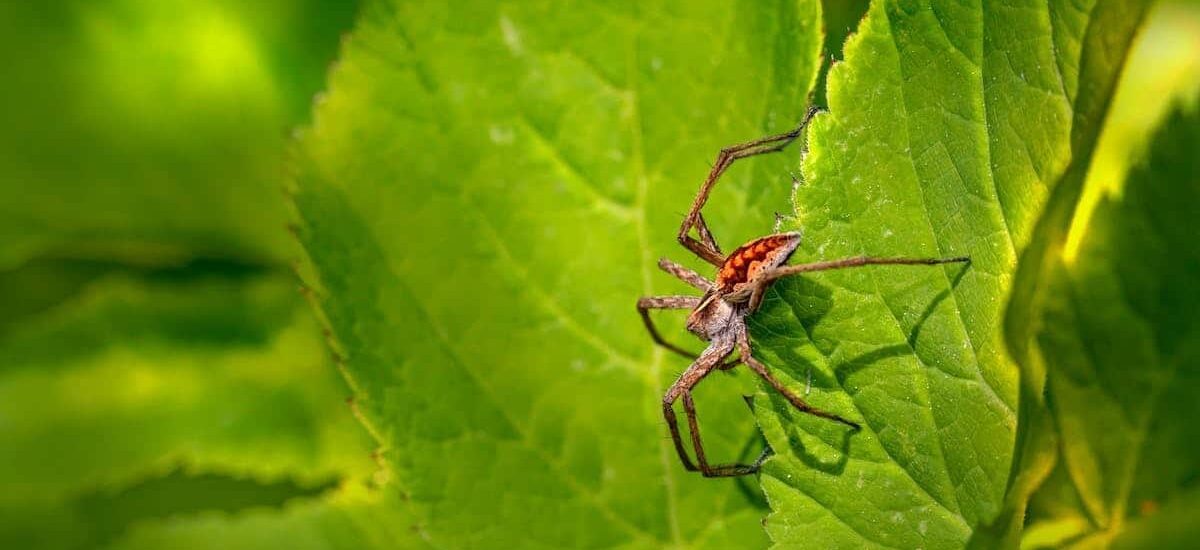
Diving into gardening can be a rewarding experience, but it is sometimes fraught with challenges. One of these obstacles is the infestation of harmful insects that can destroy planting efforts. These little creatures can prove to be a nightmare for any gardener, devouring plants and rendering the work nearly futile. So, how can we keep these pests away without harming the balance of biodiversity? The challenge is to choose effective, environmentally friendly solutions that are safe for the other inhabitants of the garden. This is a question that needs to be addressed.
Pests: a threat to garden plants
In the peaceful world of the garden, unsuspected threats sometimes lurk. Harmful insecticides are true scourges for plants. Among them, the Japanese beetle is a formidable adversary that can cause significant damage to fragile crops. This voracious pest feeds on leaves and flowers, depriving plants of their vitality and compromising their development.
Beetles can also lay their eggs directly on the roots of seedlings or dig deep tunnels in the soil, further weakening the overall health of the garden. Their presence can quickly lead to a widespread infestation if no measures are taken to address it.
Encourage biodiversity by introducing natural predators such as certain birds or insectivores like ladybugs that eagerly feed on these shelled pests.
On the other hand, some biological methods can be used to control their population without harming the environment or other beneficial species within the garden. For example, one can opt for biological insecticide treatments containing Bacillus thuringiensis, a specific bacterium that targets the larvae of certain beetles.
It is also possible to use pheromone traps to attract and capture adults, thereby helping to reduce their numbers in the garden.
If, despite all these precautions, the infestation persists and threatens the survival of the plants, it may be necessary to resort to chemical insecticides.
The main harmful insects and their damage
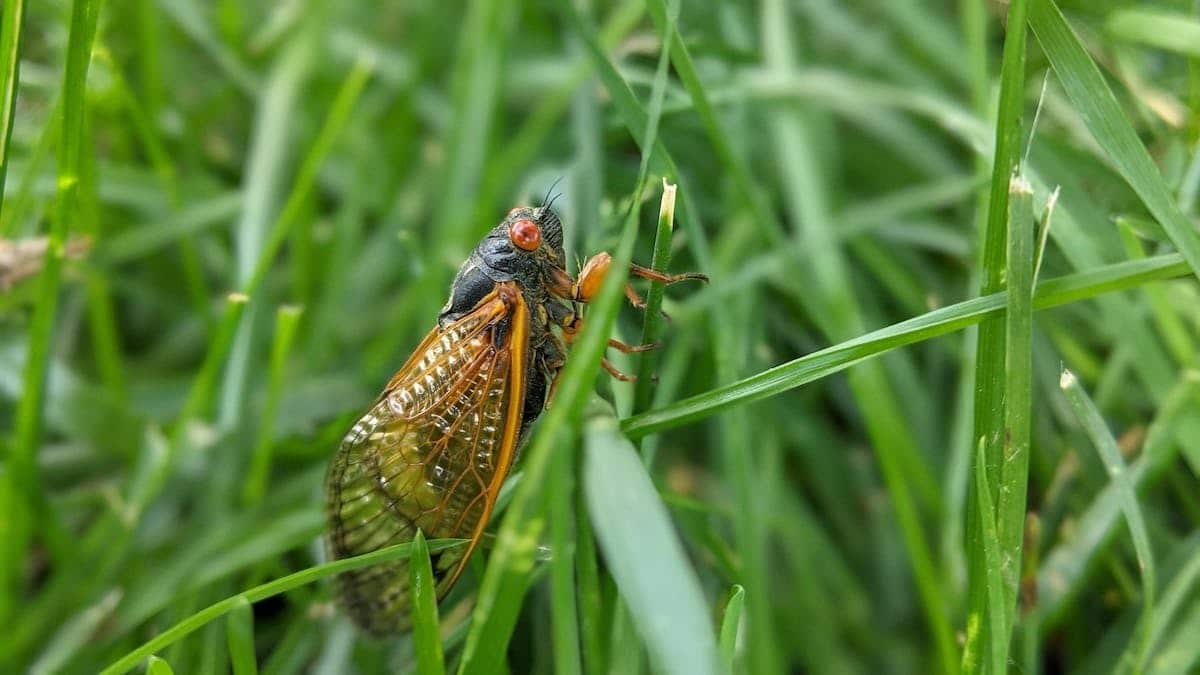
In the lush world of the garden, some invaders take pleasure in sowing chaos among our precious plants. Among them are harmful insects, ready to devour and destroy everything in their path. Let’s discover together the main players in this grim saga and the havoc they wreak.
The first protagonist of our story is the aphid, a tiny insect that seems harmless but can cause significant damage to plants. These parasites feed on the sap of seedlings by piercing their tender stems with their sucking mouthparts. In addition to weakening the plants, they also secrete a sticky substance called honeydew, promoting the development of unsightly black fungi.
Another major character in this tragic scenario is the pine processionary caterpillar. This nocturnal lepidopteran lays its eggs on the branches of conifers, and its voracious larvae greedily devour their needles. The real danger lies in their stinging hairs, which can cause allergic reactions in humans and pets.
Among these dark tales is the fearsome Mediterranean fruit fly. This small dipteran lays its eggs directly in still-green fruits or juicy vegetables from the garden. The larvae then develop by burrowing destructive galleries inside the fruit, rendering it unfit for consumption.
The intriguing scale insect is another harmful insect not to be overlooked. These small parasites attach themselves to the stems and leaves of plants to extract their sap. Their presence can lead to discoloration of the plants as well as a decrease in their overall vigor.
In the face of these relentless pests, there are different strategies to combat them effectively. The first involves regular monitoring of the garden to quickly detect any emerging infestations and act accordingly. Mechanical methods such as manual trapping or the use of nets can also be implemented to limit the spread of harmful insects.
It is important to promote biodiversity in your garden by attracting certain natural predators such as ladybugs or bats that eagerly feed on these unwanted guests. The use of biological techniques such as treatments with repellent essential oils or the introduction of beneficial insects can prove very effective in maintaining an ecological balance in your green space.
If, despite all these preventive measures, you notice an excessive proliferation of harmful insects seriously compromising your crops, it may be necessary to resort to more drastic solutions such as the targeted use of chemical insecticides suitable for the type of infestation encountered. However, be sure to use them with caution, strictly following the doses recommended by manufacturers and adhering to all safety instructions.
The battle against these harmful insects is a perpetual struggle in gardening. By adopting healthy cultural practices, prioritizing biological solutions, and remaining vigilant to warning signs, it is entirely possible to preserve the health of your plants and thus fully enjoy your green oasis.
Preventing infestation: prevention methods
In the face of these harmful insects and the damage they can cause, consider opting for:
Crop rotation: It is recommended to practice regular crop rotation in your garden. By changing the location of the plants from one year to the next, you reduce the risks of infestation by certain insects that specifically thrive on certain types of plants.
The use of physical barriers: You can install nets or fences around your plants to create a physical barrier preventing harmful insects from accessing them. This can be particularly useful for protecting garden vegetables or sensitive young plants.
Mulching: A protective layer like mulch not only helps retain soil moisture and smother weeds but also deters certain harmful insects due to its dense and smothering appearance.
Regular garden maintenance: Regular maintenance, including weeding, proper pruning of shrubs, and prompt removal of sick or weakened seedlings, helps maintain a healthy environment that is less attractive to these pests.
Biological treatments: Opt for an environmentally friendly approach by using biological treatments such as natural pyrethrum, neem oil, or insecticidal soap to spray on plants. These solutions are less toxic to humans and beneficial wildlife while being effective against a wide range of harmful insects.
Garden auxiliaries: Encourage the presence of natural insectivores such as ladybugs, lacewings, or earwigs that feed on harmful insects. You can also attract certain insectivorous birds by installing birdhouses in your garden.
Continuous monitoring: By regularly inspecting your plants and staying alert to warning signs such as discolored, holey leaves or abnormal growth, you can intervene quickly before an infestation spreads further.
Note that these preventive methods require patience and perseverance. They may take time to show concrete results, but they provide a sustainable alternative to aggressive chemical treatments.
Preventing infestation by harmful insects in your garden requires a holistic approach that includes various preventive and ecologically responsible strategies. By adopting these healthy cultural practices, you will promote a natural balance between your plants and the volatile world that resides within.
Eliminating harmful insects naturally
In our quest to preserve the biological balance of our gardens, it is essential to turn to natural solutions to eliminate harmful insecticides. Indeed, biodiversity and the health of our environment depend on it.
Botanical insecticides are valuable allies in this fight against garden pests. Eucalyptus essential oil has a repellent effect on certain insects like aphids or mites. Diluted in water and sprayed on your plants, it provides an effective non-toxic means to discourage these unwanted guests.
Another solution is to use natural repellents. For example, basil is known for its repellent properties against certain mosquitoes and gnats. By growing basil near your crops susceptible to insect attacks, you can limit their presence while enjoying the culinary benefits of this aromatic herb.
The current trend also leads us back to our roots with an increased use of plant decoctions. These liquid extracts obtained by soaking specific seedlings can be used as a foliar treatment or added to watering water. For example, a diluted nettle decoction can have fungicidal action and even repel certain pests due to its particular smell.
Some plants are renowned for their ability to naturally repel harmful insects. Among them, tansy is recognized for its repellent action against many garden pests such as aphids or caterpillars. By planting tansy around your sensitive crops, you create a natural barrier deterring these unwanted guests.
Another interesting alternative is the use of eco-friendly traps. These devices attract and capture certain harmful insects without resorting to toxic substances. For example, pheromone traps can be used to catch and specifically control certain flying insects such as gnats or moths.
Pay particular attention to your soil. A healthy and fertile soil will play a key role in maintaining an environment that is less favorable to pests. By adequately nourishing your soil with organic compost, for example, you encourage the development of beneficial microfauna that can naturally regulate the population of harmful insects.
Today, there are numerous natural solutions available to effectively eliminate harmful insects in our garden while preserving the fragile balance of our ecosystem. By opting for these environmentally friendly alternatives, we take a step towards more sustainable and responsible agriculture.
Insecticides: advantages and disadvantages
In our quest to preserve the biological balance of our gardens, it is important to be aware of the advantages and disadvantages associated with their use.
It should be noted that chemical insecticides are generally very effective at quickly and massively eliminating harmful insects. Their rapid action allows for quick control of an infestation and limits damage to crops. They often offer durability over time due to their residual effects, meaning they continue to act even after their initial application.
However, the excessive use of chemical insecticides presents several major disadvantages. These products can be extremely toxic to the environment as well as to human and animal health. They can contaminate soils, waterways, and lead to the death of non-target organisms such as pollinating bees or other beneficial insects in gardening.
Over time, insects sometimes develop resistance to the active substances contained in these chemical products. This means that their effectiveness gradually decreases, forcing gardeners to frequently resort to higher doses or frequently change products to maintain the fight against garden pests. This situation creates a vicious cycle where we become dependent on chemical insecticides.
It is also worth mentioning that chemical insecticides can have a negative impact on biodiversity and ecological balance. By eliminating harmful insects, we may disrupt food chains and cause long-term harmful imbalances. This can lead to an increase in other pests or even the disappearance of essential organisms in our gardens.
That is why it is crucial to explore more environmentally friendly alternatives for controlling harmful insects. The natural methods mentioned earlier offer a more sustainable and harmonious solution for maintaining the health of our garden and preserving the overall ecosystem. By opting for these environmentally friendly approaches, we promote the development of a healthier garden where natural biodiversity can thrive.
While chemical insecticides may seem appealing due to their immediate effectiveness, their potential disadvantages are numerous. Excessive use can cause significant damage to our natural environment and endanger our own health. Instead of relying solely on chemical products, we should encourage the use of alternative solutions that are more environmentally friendly and preserve the fragile natural balance of our gardens. This is because, to ensure a fully balanced future in the fight against harmful insects, we must consider and adopt more sustainable and responsible approaches.
Maintaining a healthy and balanced garden: actions to adopt
Now let’s move on to the actions to adopt to maintain a healthy and balanced garden without resorting to chemical insecticides.
Prevention is essential. It is important to keep the soil healthy by applying good crop rotation. By diversifying plantings, you avoid the excessive accumulation of pests specific to certain types of plants. By choosing varieties that are naturally resistant to harmful insects, you limit their impact on the garden.
Another effective way to control infestations of harmful insects is to encourage biodiversity in our garden. By creating an environment favorable to beneficial wildlife such as insectivorous birds or bats, we promote natural regulation of harmful insect populations. Installing birdhouses or feeders in our outdoor space can therefore be very beneficial.
There are also certain cultural techniques that can help limit the presence of harmful insects within the vegetable garden, for example. Mulching not only helps maintain constant moisture but also protects the soil against weeds and certain soil pests like nematodes.
Do not forget to wisely use the resources available in our environment to establish a stable ecological balance in the garden. Plant extracts, for example, are particularly useful for repelling certain harmful insects. Decoctions of garlic, onion, or even chili plants can also deter pests.
Except in a few cases where they are particularly prolific, it is advisable to avoid chemical insecticides. This requires a comprehensive approach based on prevention, respect for ecological balance, and the wise use of available resources. By adopting these simple yet effective actions, we can create a harmonious environment where gardeners can fully enjoy the benefits of nature while preserving its intrinsic fragility.