Oenology, a fascinating and complex science, opens the doors to a universe where history, culture, and sensory pleasures intertwine. Appreciating wine involves exploring its nuances, understanding the terroirs and grape varieties, as well as the winemaking techniques. This tasting quest is an initiatory journey, where each sip can tell the story of a region, reveal the know-how of a winemaker, and evoke unsuspected aromas. Informed enthusiasts participate in tastings, visit vineyards, and share their experiences, thereby refining their palate and knowledge of wine, transforming each tasting into a unique discovery.
The Fundamentals of Oenology: From Vine to Glass
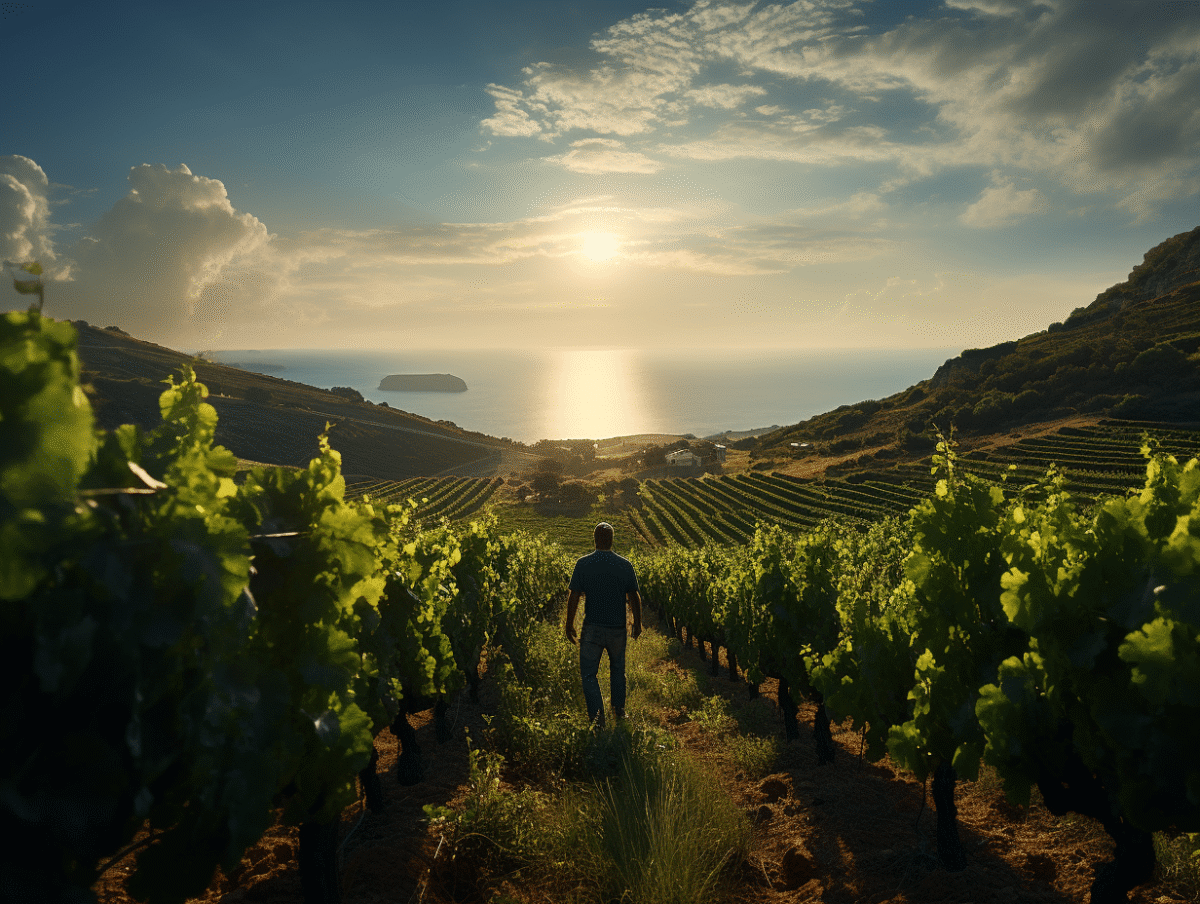
Wine, this alcoholic beverage made from grapes, is the result of an alchemy where earth, climate, and human expertise meet. The concept of terroir is central to wine production: it refers to the set of geographical and climatic factors specific to a region that affect the quality and character of the grape. Connoisseurs know that the soil in which the vines sink their roots or the amount of sunlight received during the growing season can significantly influence a wine’s profile.
The winemakers are the artisans of this transformation, overseeing the cultivation of the vine and guiding the winemaking process, which encompasses fermentation, maceration, and aging. Each step is crucial and requires meticulous attention to convert the sugars in the grape into alcohol and to extract the aromas and tannins characteristic of the future wine. The methods vary depending on whether one is producing red wines, white wines, or sparkling wines, making the field of oenology particularly vast and diverse.
France, with its numerous grape varieties and controlled designation of origin (AOC), is a privileged case study for understanding the subtleties of oenology. The AOCs guarantee the geographical origin of the wine and ensure that certain production methods are followed, thereby reinforcing the identity of each wine. The vintages, reflecting the climatic conditions of the harvest year, also play a role in the complexity and variety of the wines produced.
In this field, innovation and tradition intersect. The ‘Coups de Net’ on ancient practices sometimes give way to new techniques to improve quality or respond to environmental challenges. Whether one is a proponent of the new or the old world, the basic oenological concepts remain the same: the quality of the grape, the care taken during winemaking, and the sensory characteristics of the resulting wine. These elements form the fabric of any oenological experience, the foundation of knowledge for any wine enthusiast wishing to explore this universe with rigor and passion.
Mastering the Art of Tasting: Techniques and Vocabulary
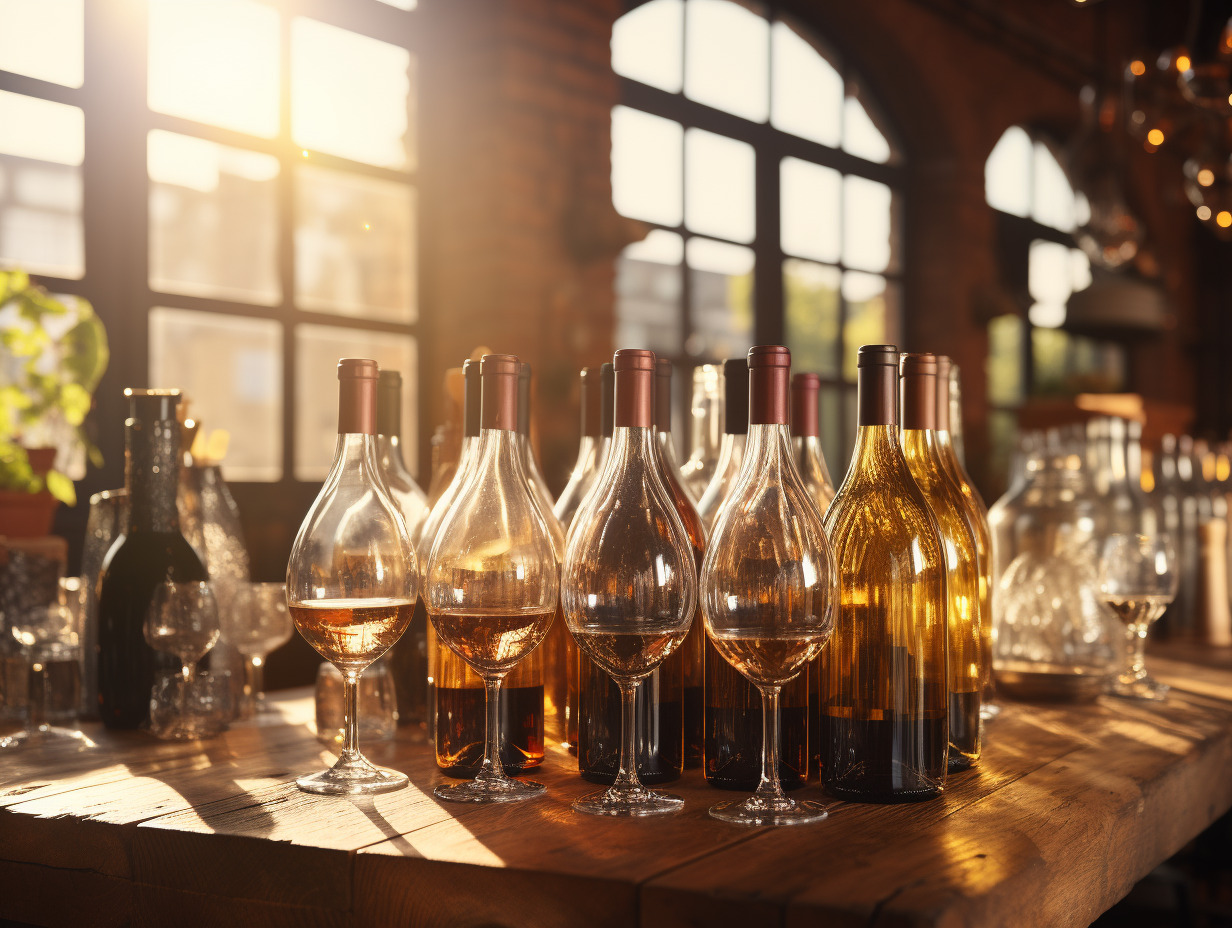
The tasting is the pinnacle of the oenological experience, a moment when the senses are both judges and participants in the appreciation of wine. The exercise, often orchestrated by a sommelier, goes beyond simply drinking: it is a meticulous sensory analysis. The eye, nose, and mouth are engaged to evaluate the characteristics of the wine, such as the color and clarity of its appearance, the bouquet of its aromatic palette, and the body in terms of structure and mouthfeel.
The tasting begins with a visual examination. The color of the wine can reveal its age, grape variety, and even aspects of its aging process. A garnet hue for a red wine may indicate a certain maturity, while a pale yellow shade in a white suggests freshness and liveliness. Next comes the olfactory phase, where olfactory perceptions take on great importance. The first nose, without swirling the wine, allows one to grasp the primary aromas, while the second nose, after aeration, reveals more complex and subtle notes.
The tasting engages the palate in a dance of flavors. The attack, the mouthfeel, and the finish are scrutinized to judge the balance between acidity, sugar, tannins, and alcohol. The length on the palate, or aromatic persistence, is an undeniable quality indicator. Connoisseurs express themselves in terms of roundness, liveliness, and smoothness, thus creating a precise descriptive vocabulary that allows for sharing and comparing impressions. Mastery of these techniques and this lexicon is essential for anyone eager to dive into the fascinating world of oenology and its pleasures.