The clothing you find in stores this season is not quite the same as last year’s. Cuts are changing, palettes are evolving, but above all, the rules of the commercial game are transforming in the background. Understanding the fashion trends of the season also means grasping why certain pieces disappear from the shelves and why others gain their place.
Anti-fast fashion penalties in France: what changes for your wardrobe
Have you noticed that some sites are displaying slightly higher prices since the start of the school year? Since September 1, 2026, France penalizes certain ultra-fast fashion practices based on the volume of references and the reparability of products. Clothing, shoes, and home textiles are affected, but second-hand sales remain excluded from the measure.
This measure targets platforms with accelerated collection turnover. The promotion of ultra-fast fashion will even be banned in France starting January 1, 2027. In practical terms, buying a trendy piece remains entirely possible, but the model based on thousands of new references per week is being curtailed by law.
To keep up with these developments and find pieces that match your style without relying on this model, platforms like alluremode.fr offer an updated fashion selection each season.
At the European level, the destruction of unsold textiles is now prohibited for large companies. These companies must prioritize resale, donation, repair, or refurbishment. The ban will extend to medium-sized enterprises in 2030. These regulatory constraints are pushing brands to produce less but better, resulting in more focused collections and pieces designed to last several seasons.
Flowy dress and wide pants: the cuts that define the season
Why are these two pieces everywhere? Because they meet a clear expectation: comfort without sacrificing style. The long flowy dress, inspired by the poetcore movement, has been worn on the runways of Milan and Paris by houses like Loewe, Miu Miu, or Saint Laurent.
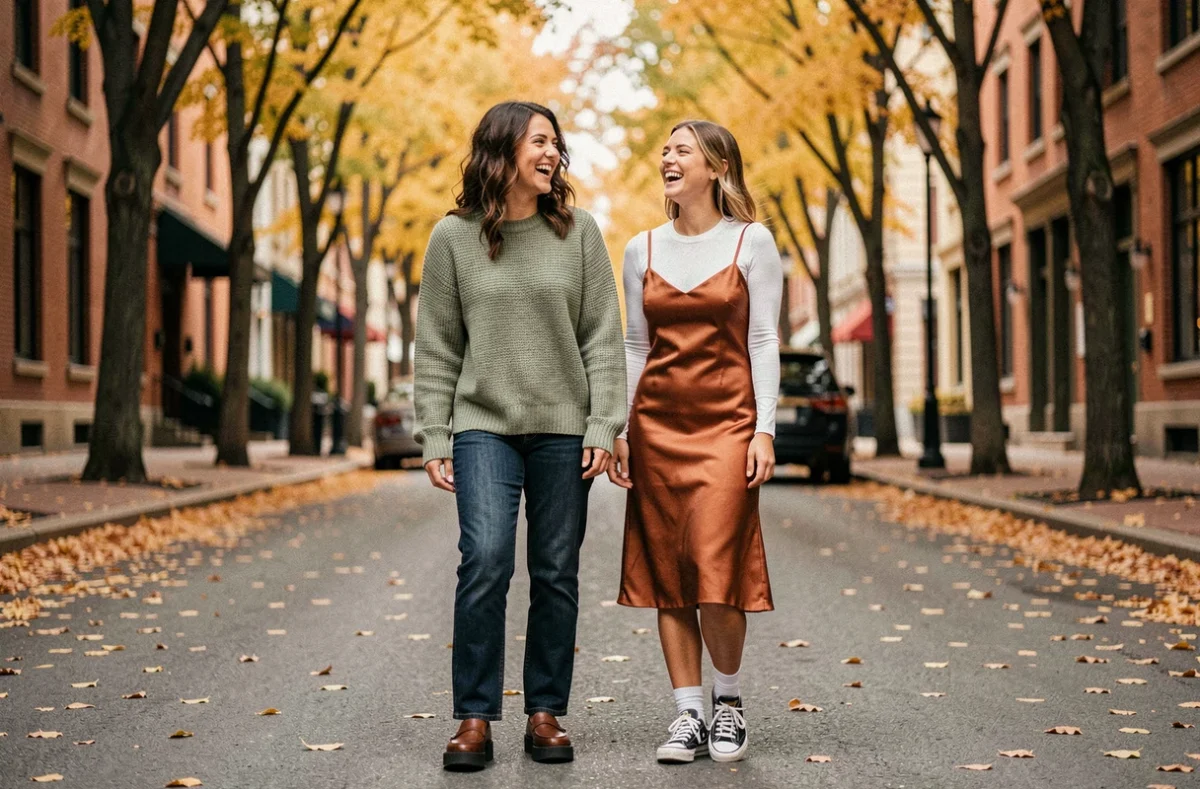
The long flowy dress is suitable for both everyday wear and dressed-up occasions. Paired with minimalist shoes and a structured bag, it creates a complete look effortlessly. In terms of colors, warm tones (orange, yellow) and soft shades (sky blue, olive green) dominate this piece.
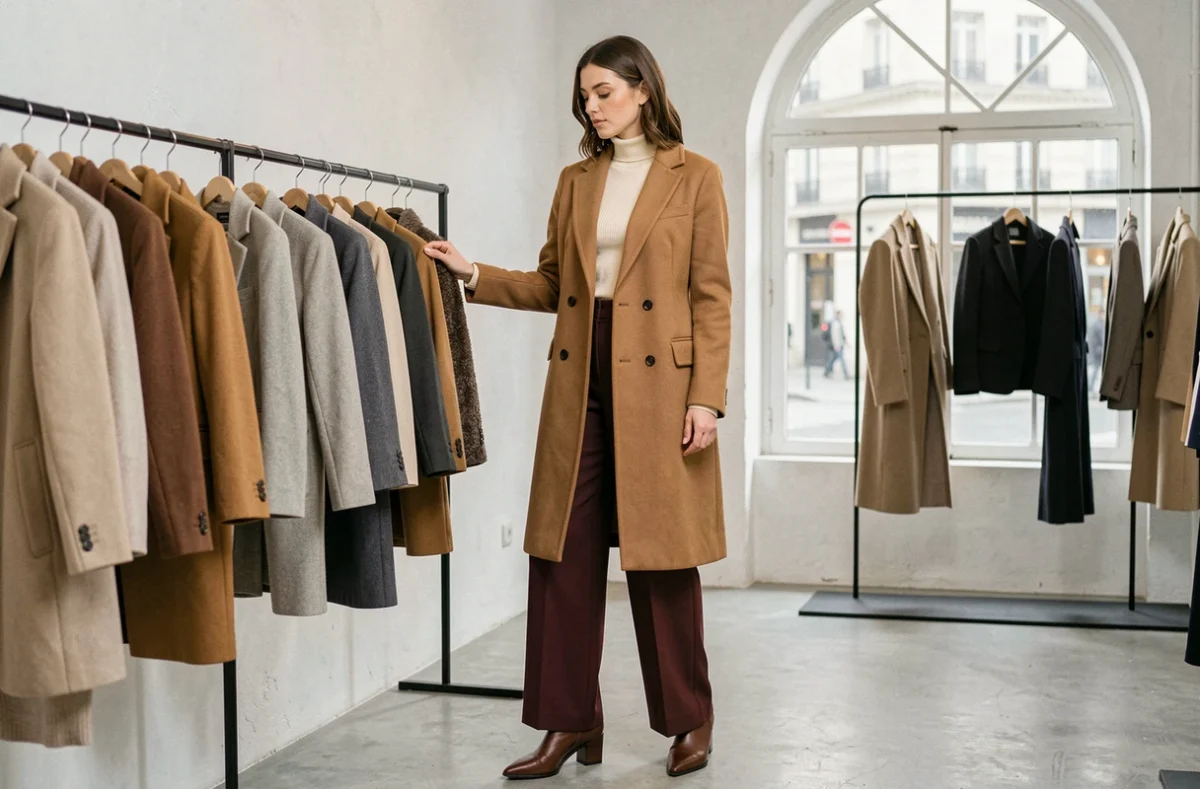
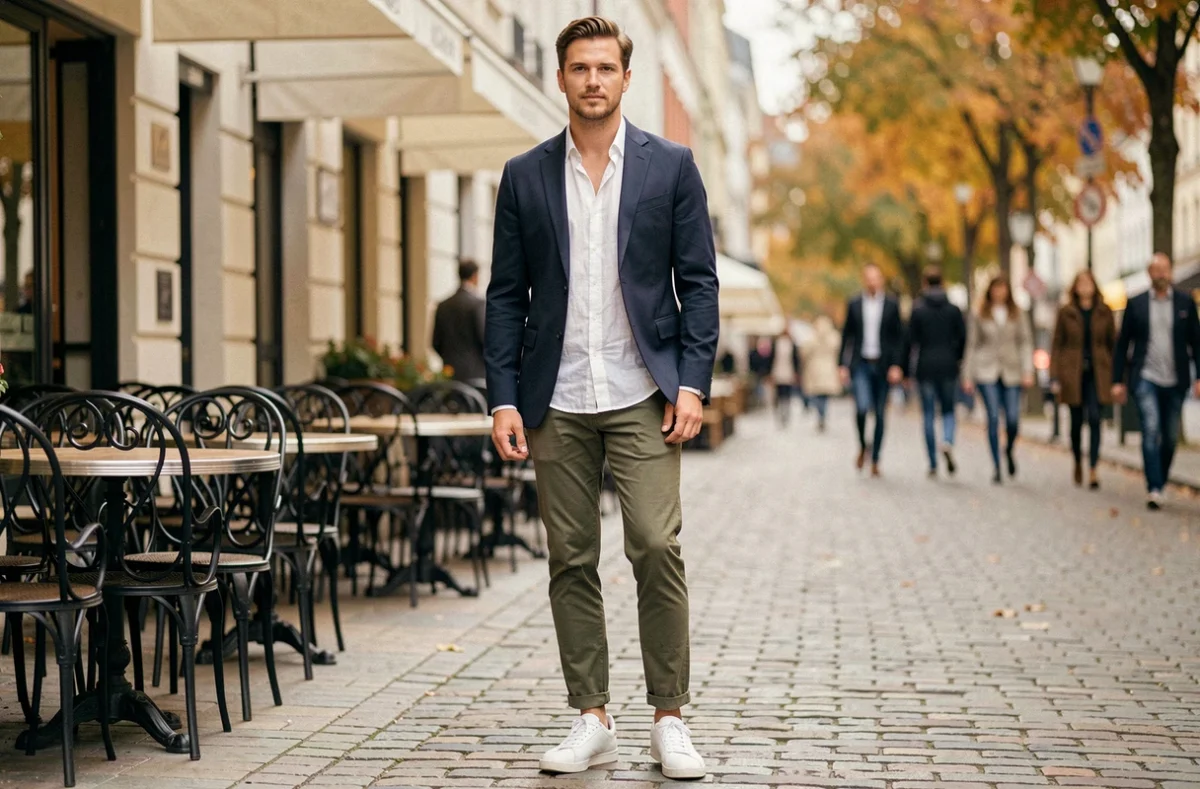
The structured wide pants complete this wardrobe. With a defined waist, ample fall, and sharp cut: it reshapes the silhouette while allowing freedom of movement. Worn with a fitted top, it creates a volume contrast that works in all circumstances.
How to choose between the two
It all depends on your lifestyle. The flowy dress is better suited for days when you switch between contexts (office, outing, walking in the city). The structured wide pants offer more versatility: change the top and the whole look takes a different direction.
- For a casual look, pair the wide pants with a simple t-shirt and white sneakers.
- For a more dressed-up outfit, opt for a flowy dress in a solid color with flat leather sandals.
- For a versatile in-between, wear the pants with a lightweight blouse tucked at the waist.
Trendy autumn-winter colors: a tight palette and bold choices
The palettes of the season are not just a list of shades. Two color families coexist: intense tones and natural hues. On one side, deep red, burnt orange, and emerald green. On the other, beige, off-white, and sky blue.
This coexistence makes combinations easier. Beige pants with an olive green sweater create a coherent ensemble without looking uniform. An orange dress worn with neutral accessories maintains impact without overwhelming the eye.
Focus on two or three shades, not ten
An effective wardrobe relies on a restricted and coordinated palette. Rather than accumulating pieces in every trendy color, choose two to three shades that work together and with what you already own.
For example, if your wardrobe contains a lot of black and navy, introduce a single strong color (a red, a green) and a warm neutral shade (beige or camel). This approach limits unnecessary purchases and simplifies your choices each morning.
Embracing fashion trends without renewing your entire wardrobe
The temptation to replace everything each season is fading, driven by both new regulations and a change in mindset. Incorporating one or two key pieces is enough to update a style.
Use your current wardrobe as a starting point. Identify what’s missing: a cut you never wear (the wide pants, for example) or a color absent from your usual outfits. The rest are adjustments.
- An oversized blazer worn open transforms a basic look into a structured outfit.
- A thin belt on a flowy dress defines the waist and changes the silhouette.
- Accessories in a seasonal color (a red bag, an olive green scarf) update an existing ensemble without buying new clothing.
This season’s fashion rewards coherence rather than accumulation. Collections are more focused, pieces are designed to last, and French and European regulations are accelerating this movement. The style that works is one that starts from what you have, complemented by precise and thoughtful choices.