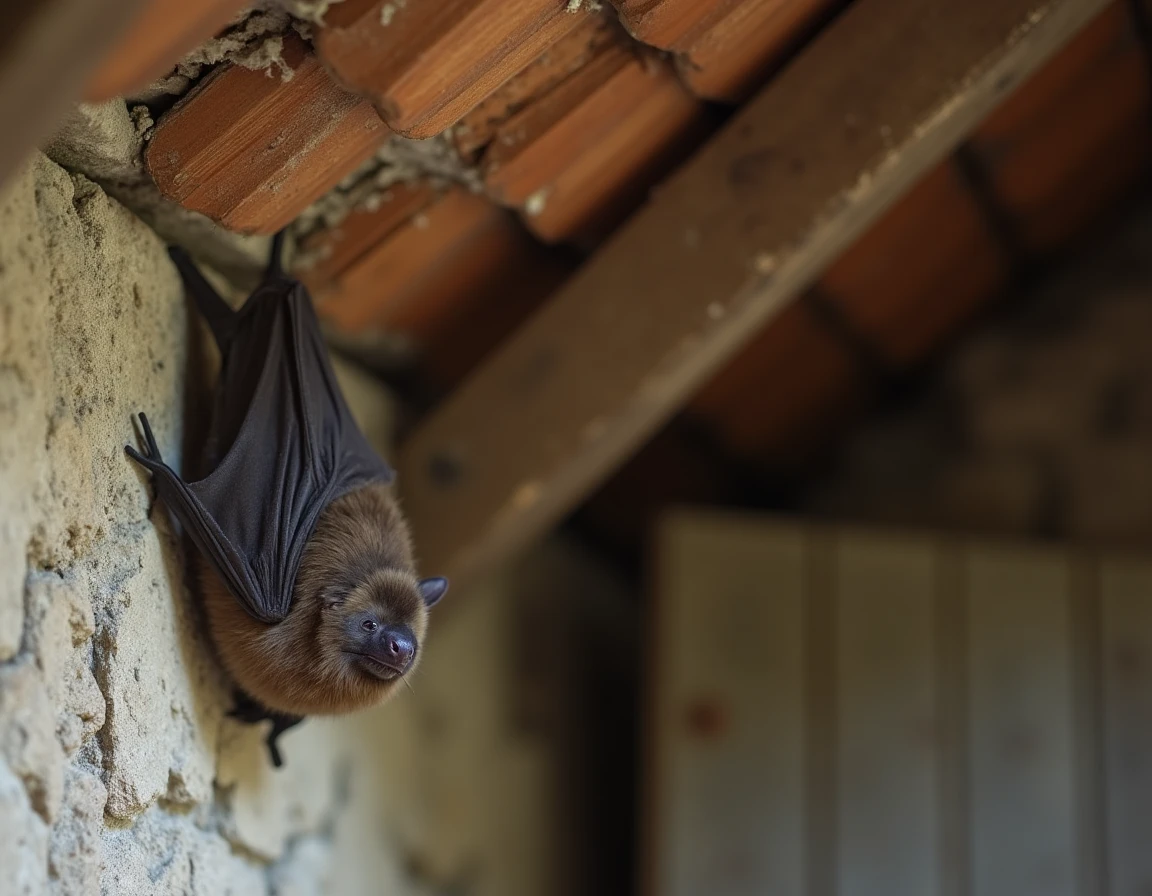
The bat is the only mammal capable of active flight. When it enters a house, it most often follows a warm air current or a light source that has disoriented it. This unexpected nocturnal presence has, however, nourished, through the centuries and continents, a dense network of beliefs where death, prosperity, intuition, and rebirth intertwine.
Chinese Homophony and Feng Shui: the Bat as a Good Luck Symbol
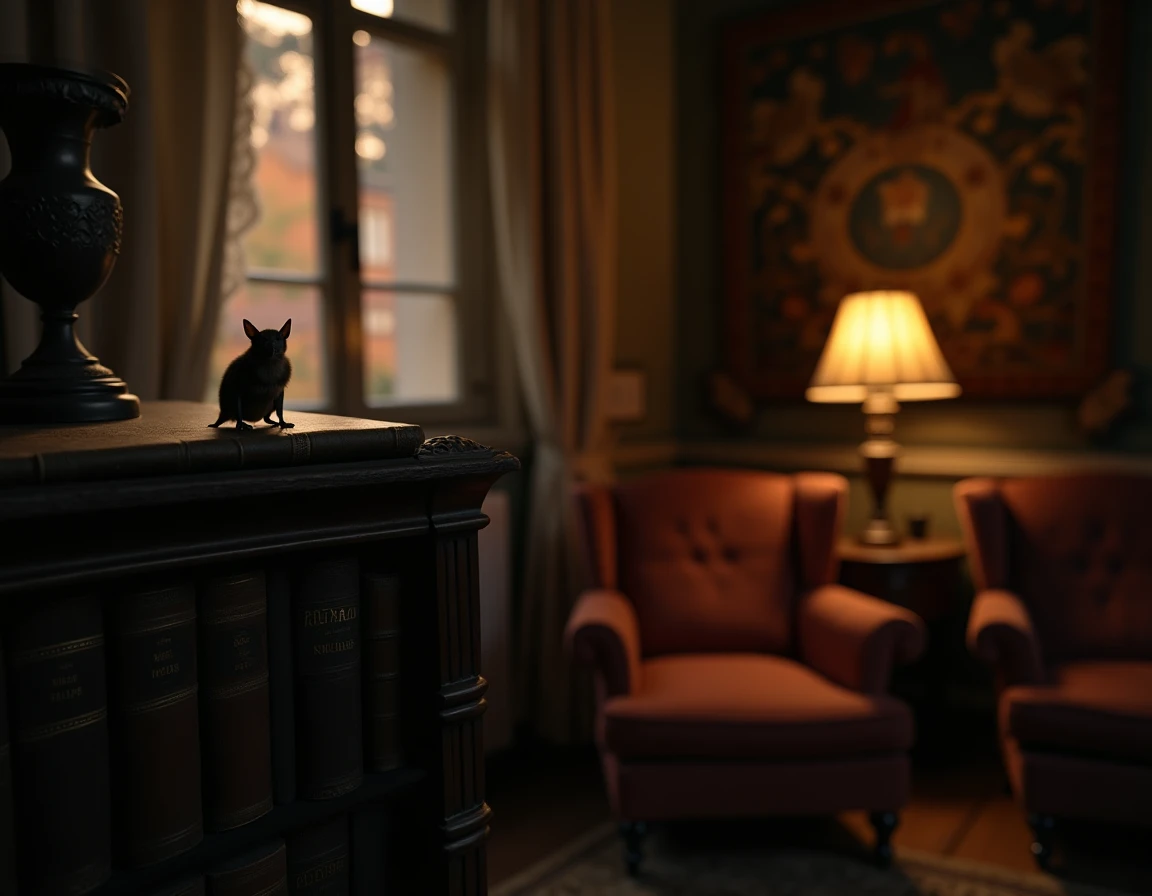
In Chinese culture, the bat is not considered an evil animal. The word for bat (蝠, fú) is phonetically identical to the character for happiness and fortune (福, fú). This homophony between bat and happiness has produced an omnipresent symbol in traditional decorative art: embroidery, ceramics, door sculptures.
Contemporary Feng Shui extends this interpretation. Practitioners recommend placing bat motifs at the entrance of the home to attract opportunities while energetically protecting the house against negative influences. Five bats arranged in a circle represent the five classic blessings: longevity, wealth, health, virtue, and peaceful death.
This positive dimension contrasts sharply with the European interpretation. To delve deeper into the symbolism of the bat in the house, one must accept that the same animal can embody absolute luck on one side of the globe and a dire omen on the other.
European Beliefs: From Medieval Darkness to Modern Vampire
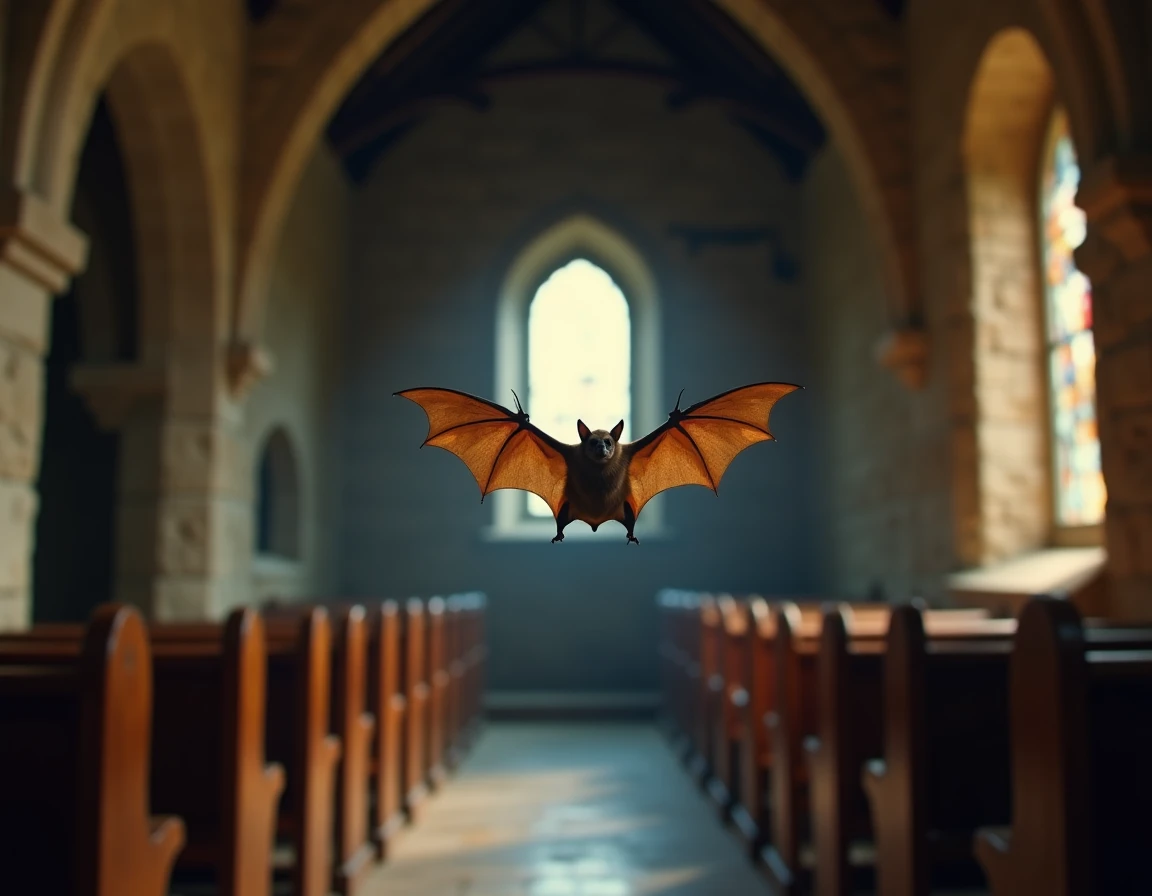
In Western Europe, the bat has long been associated with night, darkness, and by extension, the devil. Medieval iconography attributes it membranous wings that it shares with demons sculpted on cathedrals. This visual proximity has been enough to anchor the animal in an evil register.
Several local superstitions illustrate this mistrust:
- In rural France, a bat entering the house foretold an impending death in the family or, failing that, a financial misfortune.
- In some regions of Central Europe, a dead bat was nailed above the door to ward off evil spirits, thus turning the supposed curse against itself.
- The literary figure of the vampire, popularized in the 19th century, has definitively cemented the image of the bat with that of the nocturnal blood-drinking undead.
These beliefs persist in a muted form. Many fearful reactions remain linked to this symbolic heritage rather than to any real danger, as European species are insectivorous and harmless to humans.
Transformation and Rebirth: The Contemporary Spiritual Reading
In the indigenous traditions of North America, the bat represents a deep inner transformation. The animal lives in the darkness of caves before emerging each evening, a cycle perceived as a metaphor for symbolic death followed by renewal.
Recent spiritual and personal development approaches take up this thread. The bat is described as a totem animal inviting one to accept the end of a life cycle to begin another. Its ability to navigate through the night using echolocation becomes an image of intuition: relying on invisible perceptions when light is lacking.
Concretely, in this interpretative framework, a bat entering the house signals that a period of transition is underway. It is neither a good nor a bad omen, but a call to examine what needs to change.
Bat in the House: What Biology Says, Not Superstition
Since the Covid-19 pandemic, scientific discourse on bats has gained visibility. Several conservation and environmental sociology studies show a gradual revaluation of the bat’s image in Europe. Awareness campaigns emphasize their concrete role: regulating mosquito populations, pollination, and being an indicator of good environmental quality.
A bat in the house is, in the vast majority of cases, a disoriented animal simply seeking an exit. Its presence often indicates a healthy environment around the building, as it needs a plentiful supply of insects to feed.
In France, all bat species are protected by law. It is illegal to kill, capture, or destroy their roosts. The appropriate response is to open windows at night, turn off indoor lights, and let the animal find its way out on its own.
Symbol or Ecological Signal
The symbolic reading and the biological reading do not exclude each other. Beliefs give meaning to an unexpected event. Biology reminds us that the presence of a bat indicates a still functional nocturnal ecosystem around the house.
The next time a bat crosses the living room, it carries with it centuries of human projections: Chinese happiness, medieval terror, spiritual rebirth. What has changed is that science now offers a complementary interpretative framework, where this protected nocturnal animal deserves more curiosity than fear.