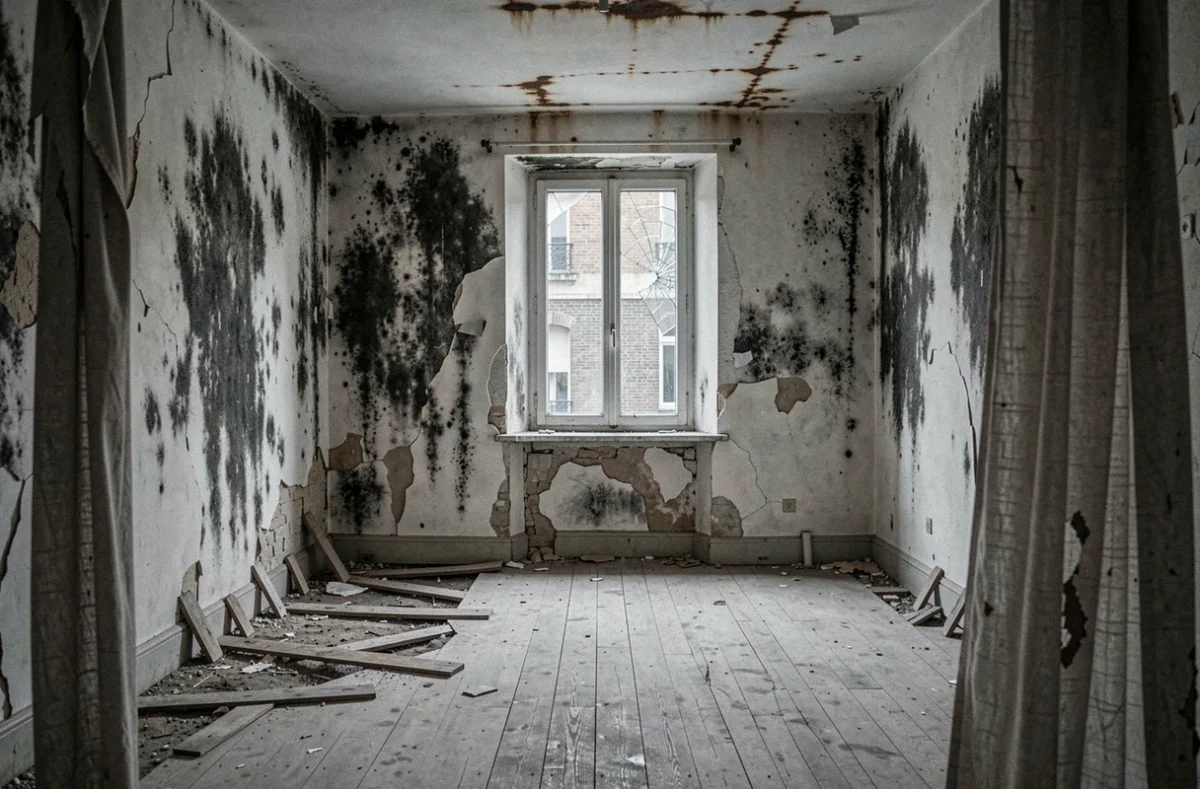
Water damage that makes a room unusable, a dangerous-building order posted on the façade, major renovation work that drags on: the property still exists in the land registry, but no one can live in it. The tax authorities, however, keep sending their notices. To obtain tax relief or avoid certain taxes, the owner must provide concrete proof that the property is uninhabitable. The documents required depend directly on the tax being challenged—a point many owners discover too late.
Uninhabitability and involuntary vacancy: two distinct tax situations
Before gathering any supporting documents, one question needs to be answered: is it physically impossible to occupy your home, or is it habitable but still empty despite your efforts to rent it out?
The answer determines the entire case. An uninhabitable property is not subject to the same taxes as a vacant property. The tax on vacant homes (TLV) and the council tax on vacant homes (THLV) apply to habitable properties that have been deliberately left unoccupied. A genuinely uninhabitable property should therefore fall outside their scope.
By contrast, property tax remains payable even on an empty property, unless the owner obtains tax relief. To qualify, the vacancy must be beyond the owner’s control and last for at least three months. The relief is then calculated in proportion to the period concerned.
In practice, you can prove to the tax authorities that a property is unoccupied by gathering documents suited to your situation. An unsanitary-housing order does not carry the same weight as proof that you have actively searched for a tenant.

Uninhabitable property: what concrete evidence should you include in your tax file?
A property is considered uninhabitable when a structural or health-related defect makes it impossible to occupy. The owner must provide tangible evidence, not simply a statement of good faith.
The strongest documents for an uninhabitability claim are those issued by an authority or an independent professional:
- A dangerous-building order or an unsanitary-housing order issued by the mayor or prefect. This administrative document officially confirms that the property cannot be occupied and is the hardest evidence for the tax authorities to challenge.
- An expert report prepared by a court-appointed expert, an inspection body or a certified property inspector, describing the defects (weakened structure, no water supply, dangerous electrical installations, extensive mould).
- Dated, itemised invoices and quotes for restoration work, showing that the property is undergoing major repairs that are incompatible with occupation.
- A report by a bailiff (commissaire de justice) describing the condition of the property on a specific date, with photographs attached.
- Letters from the insurer referring to a major claim (fire, flooding) and the period during which the insurer considers the property uninhabitable.
A case is more credible when several documents corroborate one another. A dangerous-building order accompanied by invoices for ongoing work sends a clear message. A personal letter simply stating that the property is in poor condition is generally not enough.
Involuntary vacancy and property tax: a different set of evidence
Do you own a habitable property that has been empty for several months, even though you are actively looking for a tenant? The evidence required is different.
To obtain property tax relief for a vacant property, the owner must prove three things: the property is genuinely unoccupied, it has been vacant for at least three months, and the vacancy is not the result of a deliberate choice.
Documents to gather for an involuntary vacancy
The documents you include should show that you tried to rent out or sell the property without success:
- Confirmation from a real estate agency that the property was listed for rent, including the dates of the agency agreement and a record of viewings
- Screenshots of rental listings posted on platforms, showing the publication dates
- Water, electricity and gas meter readings showing zero or near-zero consumption during the period
- Any letters rejecting applicants or confirming that a former tenant terminated their lease
Tax relief is calculated in proportion to the vacancy period. If the property was empty for six months of the year, the relief will cover half of the property tax. This affects the calculation and makes it important to document the exact dates.
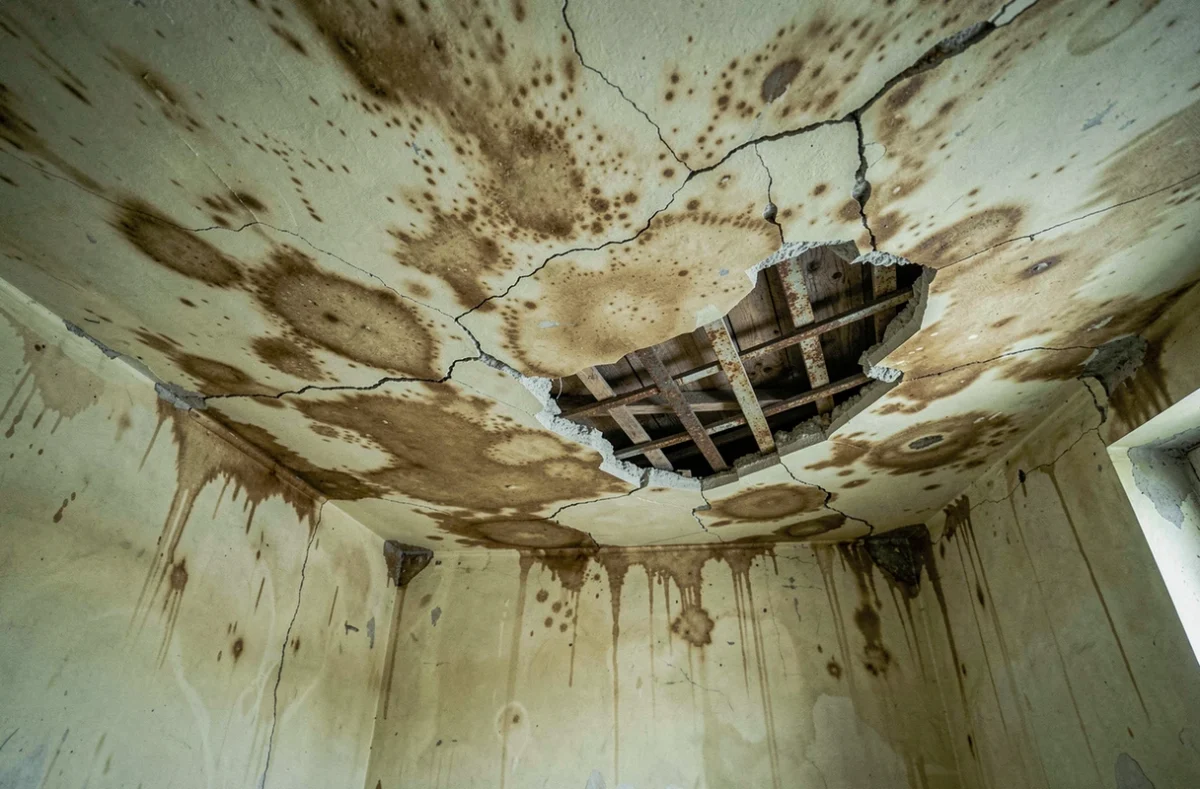
Occupancy declaration and tax claim: two procedures not to confuse
Many property owners think that declaring their property unoccupied through the “Gérer mes biens immobiliers” service on the tax website is all they need to do. It is only one step in the process.
An occupancy declaration and a tax claim are two separate procedures. The first lets you report the property’s status and the reason it is unoccupied. The second is used to challenge a tax notice that has already been issued.
To challenge a notice, you must file a claim online (through your personal account on impots.gouv.fr) or by post with the land tax office responsible for the property. The claim must include the supporting documents described above.
Deadlines and how to file a claim
Property owners wishing to challenge a notice should check the applicable claim deadline, which is shown on the notice itself or on impots.gouv.fr.
Submitting a complete file with your initial claim speeds up processing. A claim without supporting documents will almost always be rejected. It is better to wait a few weeks to gather an order, an inspection report or invoices than to send an empty letter.
A complete file that clearly distinguishes physical uninhabitability from involuntary vacancy is the best basis for supporting a claim.